New Technologies That Will Change Daily Life Sooner Than You Think
· by Mike
An electric car that shrugs off -40°C, a roof that makes a fifth more power, a robot that folds your laundry. Three ideas you can already buy.
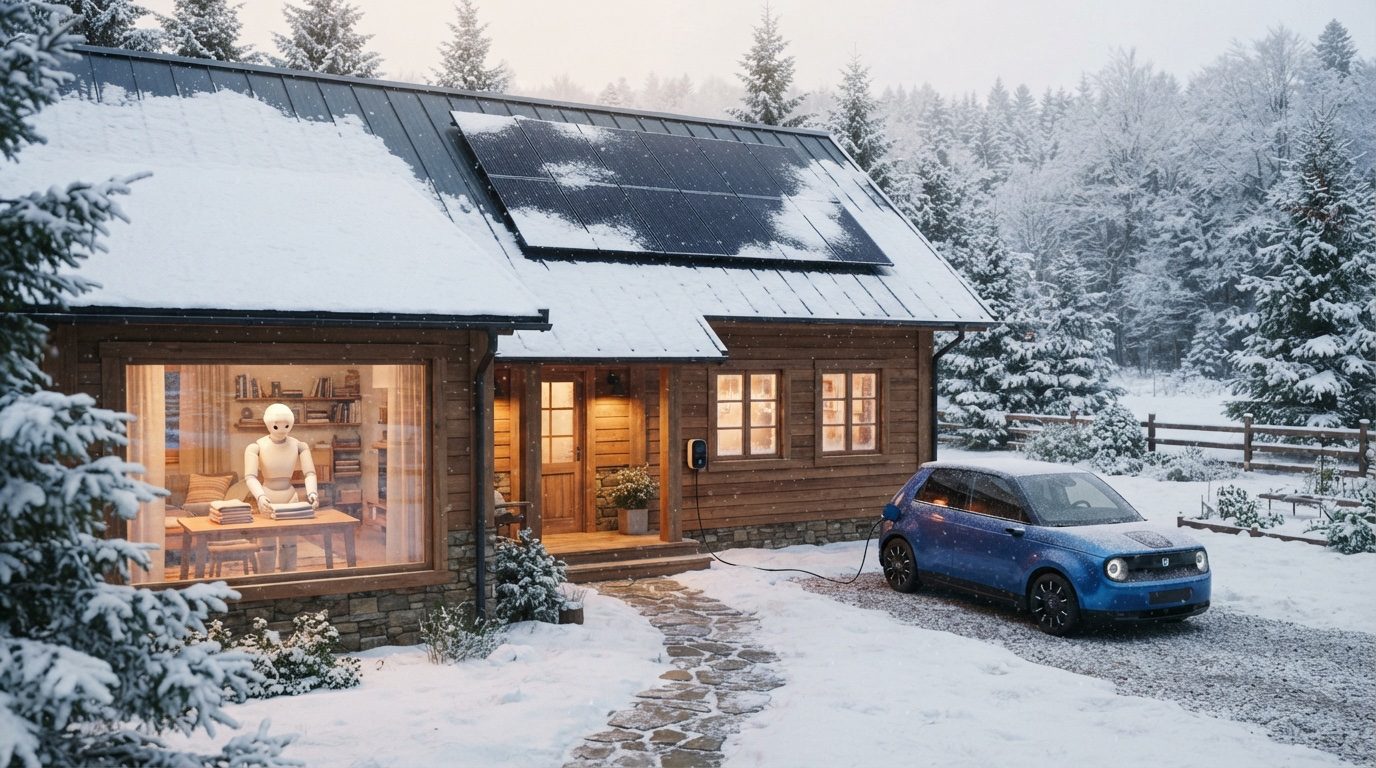
Picture a winter morning at -35°C. Half the cars in the street will not start, but an electric car charges as if it were spring. Picture a roof that gives a fifth more electricity without a single new panel. And picture coming home to towels that are already folded. None of this is a prediction from a science fiction film. Each of these things is already being made in a factory and sold to the first buyers. I went through the news of the past year looking only for changes like that: not lab records, but things that will soon land in ordinary homes. Three stood out.
An Electric Car That Isn't Afraid of Winter
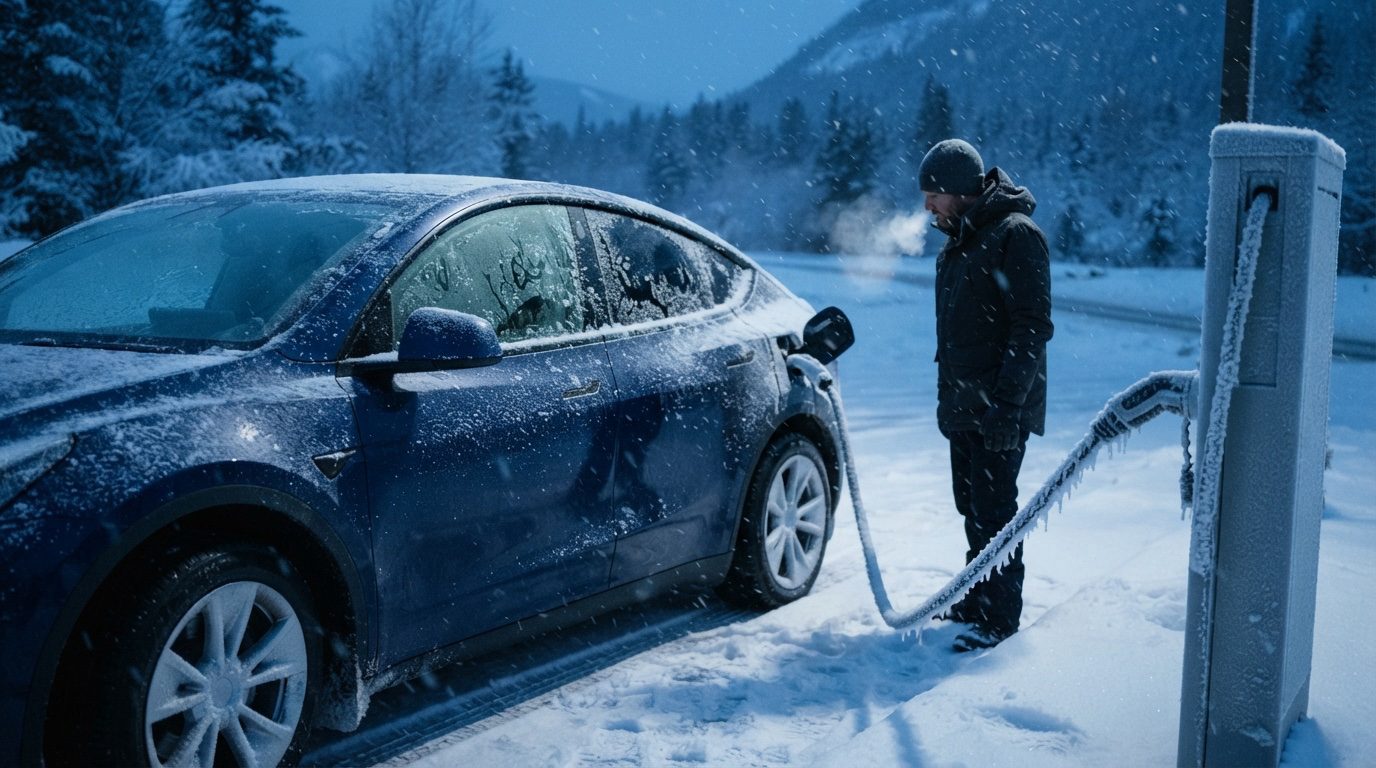
The biggest complaint about electric cars is the cold. In deep frost, their batteries lose range, charge slowly and sometimes refuse to charge at all. A new kind of battery is built to fix exactly that, and it does not need lithium.
It runs on sodium, one of the most common elements on Earth, the same one found in table salt. In 2026, CATL, the world's largest battery maker, started large-scale production of its Naxtra sodium-ion battery. According to tests by the carmaker Changan, it keeps more than 90% of its capacity at -40°C and keeps working even at -50°C, where an ordinary battery simply gives up.
The first passenger car built around it, the Changan Nevo A06 in China, has a 45 kWh pack that should cover over 400 kilometres on the Chinese test cycle. CATL plans a wide rollout in passenger cars by the end of 2026.
There is a second gift here. Sodium is found almost everywhere, not in a handful of countries, so these batteries are expected to be cheaper and less dependent on the price swings of lithium. The catch is weight: a sodium cell stores about 175 watt-hours per kilogram, less than the best lithium cells. For a city car, that is a fair trade. https://www.catl.com/en/
More Power From the Same Roof
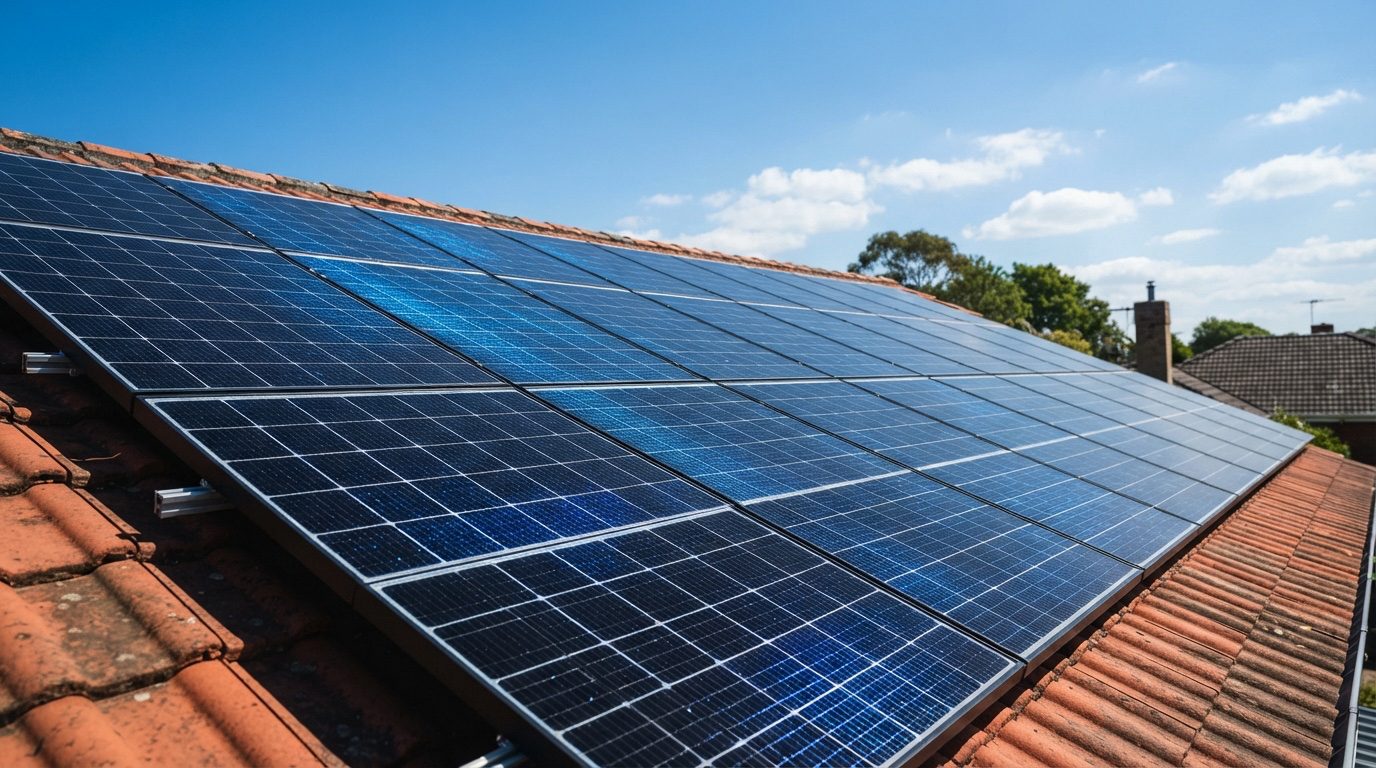
If your roof has room for only a few solar panels, you could soon get up to a fifth more electricity from it without adding a single one. That is the promise of tandem solar panels, and the first ones are already for sale.
An ordinary silicon panel turns only about a fifth of sunlight into electricity, and engineers have squeezed silicon close to its limit. So they put a second, very thin layer on top, made of a crystal called perovskite. It catches the blue part of sunlight that silicon handles poorly, while the silicon underneath keeps working on the red.
The lab results keep climbing. In 2026, LONGi reported a perovskite-silicon cell with 35.5% efficiency, certified by the European Solar Test Installation. Panels for real roofs lag behind such records, but they exist: Oxford PV sold the first commercial tandem panels in 2024, promising up to 20% more energy from the same area.
In practice, a roof that fits eight panels would produce what used to take ten. The open question is lifetime: a panel must survive about 25 years of sun, rain and frost, and the new layer still has to prove it can. https://www.oxfordpv.com
A Robot That Gives You Your Evenings Back
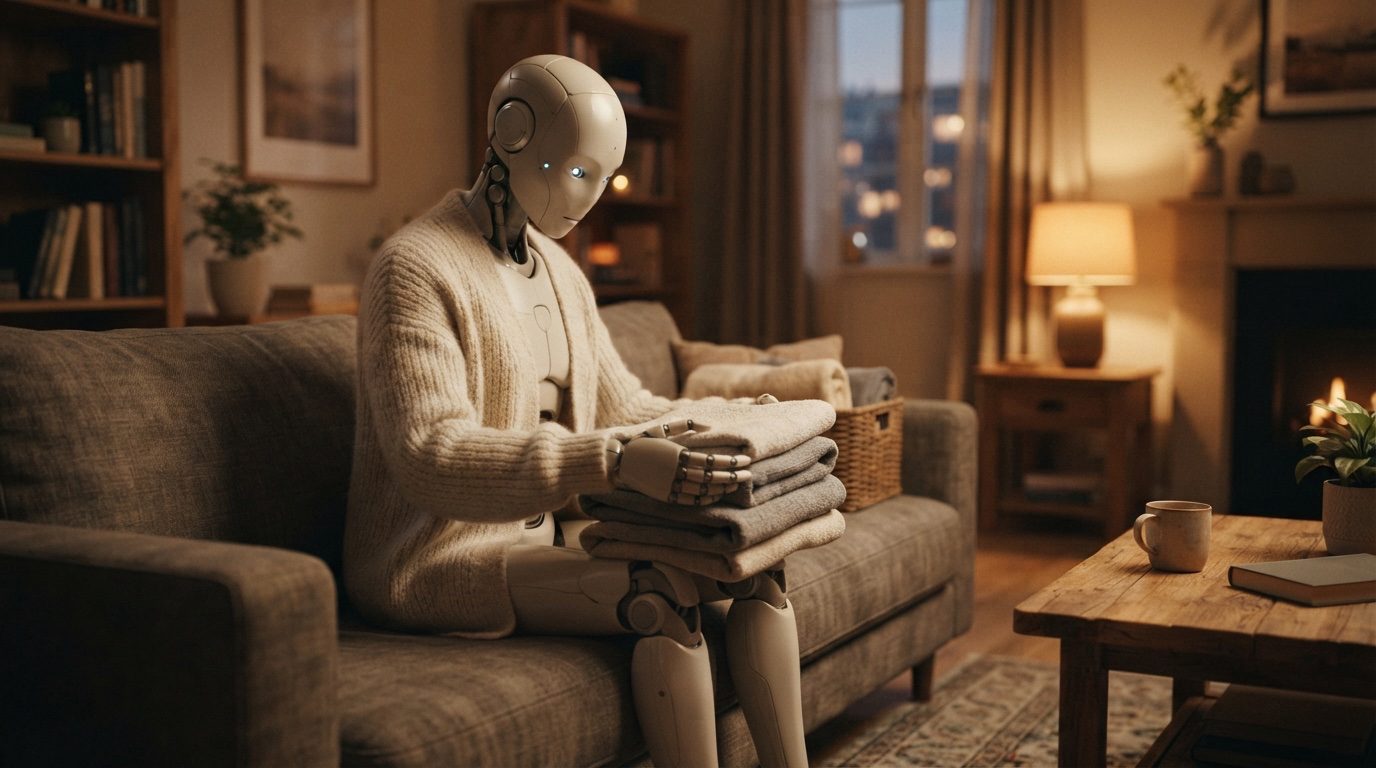
Laundry, tidying, carrying things from room to room: chores quietly eat our evenings. The company 1X wants a robot to take them over, and it is no longer only talk.
Its home robot NEO looks like a slim person in a soft knitted suit and moves quietly enough not to startle anyone. It costs $20,000 to buy or $499 a month, and the first 10,000 orders sold out in five days. A factory in California started full production in April 2026, and the first robots are going to early-access buyers.
I want to be honest about what it can do today. On paper, NEO opens doors, fetches things and folds towels. In early tests, it needed a remote human operator for real chores: a person far away watches through its cameras and guides its hands. A light on the robot's head shows when that happens, and owners decide when remote help is allowed.
That sounds like a trick, but it is how the robot learns. Every guided task teaches it something, and the plan is that it will need people less and less. https://www.1x.tech
Why This Time It's Different
We have heard promises like these for decades, so it is fair to ask what is new. The answer is simple: each of these three things has crossed the line from a video demo to a product with paying customers and a factory behind it.
They are not perfect. Sodium batteries are heavier, tandem panels still have to prove they last, and the home robot still leans on a human in another room. But that is usually how real change starts: rough, expensive and a little funny at first, then quietly normal. A few years from now, a winter morning that leaves a car dead may sound as old-fashioned as a phone with a cord.